| Availability: | |
|---|---|
Description of API Tubing
API Tubing: Tubing is a pipe used for the transportation of crude oil and natural gas from an oil or gas layer to the surface after drilling is complete. It is made to withstand the pressure generated from the extraction process. Tubing is manufactured in the same way as casing, except that an additional process known as "upsetting" is applied to thicken the pipes. Tubing is a relatively small-diameter pipe that is run into a well to serve as a conduit for the passage of oil and gas to the field surface facilities for processing. Tubing must be adequately strong to resist loads and deformations associated with production and workovers. Further, tubing must be sized to support the expected rates of production of oil and gas.
Process: ERW and Seamless
Standard: API 5CT
Certificate: Tubing: LTC, STC, BTC, VAM.Tubing: NUE, EUE.
Out Diameter: Casing: OD 4 1/2"- 20" (114.3mm-508mm)
Tubing: OD 2 3/8" - 4 1/2" (60.3mm-114.30mm)
Wall Thickness: 0. 205"- 0.635"
Length: R1(4.88mtr-7.62mtr), R2(7.62mtr-10.36mtr), R3(10.36mtr or longer)
Steel Grade: H-40, J55, K-55, N-80, C-75, L-80, C-90, T-95, Q-125
Surface: Corrosion-proofing water-based paint
End: Beveled, Square cut. And a pipe protection cap, especially for casing and tubing.
Heat treatment: Normalized, Quencher+Temper
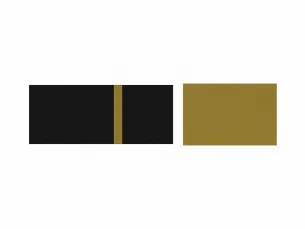
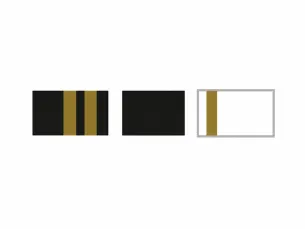
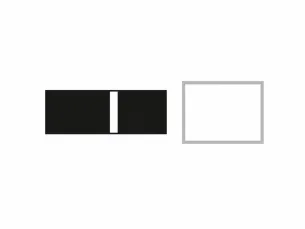
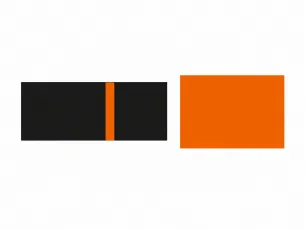
Color coding serves core functions:
Rapid grade identification: Differentiate H40, J55, N80, L80, P110, Q125 and corrosion-resistant 9Cr/13Cr alloy steel at a glance;
Avoid mixing up pipes during transportation, storage and downhole running;
Simplify inventory management and on-site construction inspection.
All color band marking is firm, wear-resistant and not easy to fall off under long-term outdoor storage. The matching color code chart clearly displays the corresponding color bands for every casing and tubing grade, acting as an intuitive reference for warehouse and oilfield operation teams.
Colour Code of Casing and Tubing
Grade | Colour Code Pipe (text) | Heat Treatment | Characteristics and Recommendation |
J55 |
| Normalized, Normalized and Tempered or quenched and Tempered | Tubing & Casing for general service |
K55 |
| Normalized, Normalized and Tempered or quenched and Tempered | Casing for general service |
N80 Type 1 |
| Normalized or Normalized and Tempered | Tubing & Casing for general service |
N80 Type Q |
| Quenched and Tempered | Tubing & Casing for general service |
L80 Type 1 |
| Quenched and Tempered | Tubing & Casing with controlled yield range for sour well service |
L80 9 Cr |
| Quenched and Tempered | Tubing & Casing for oil & gas wells affected by CO2 corrosion |
L80 13 Cr |
| Quenched and Tempered | Tubing & Casing for oil & gas wells affected by CO2 corrosion |
C90 Type 1 |
| Quenched and Tempered | Hight strength Tubing & Casing with controlled yield range for service in hydrogen sulphide environments |
R95 |
| Quenched and Tempered | High strength Tubing & Casing with controlled yield range |
T95 Type 1 |
| Quenched and Tempered | High strength Tubing & Casing with controlled yield range for service in hydrogen sulphide environments |
C110 |
| Quenched and Tempered | High strength Casing with controlled yield range for service in hydrogen sulphide environments |
P110 |
| Quenched and Tempered | High strength Tubing & Casing for high pressure service |
Q125 Type 1 |
| Quenched and Tempered | Casing for deep well service |
Specification of API Tubing
Lengths of API Tubing:
Oil Tubing | Range 1 | Range 2 | Range 3 |
6.10~7.32 | 8.53~9.75 | 11.58~12.80 |
Dimension of API Tubing:
Label | D Outside diameter mm | Wall thickness mm | C Type of end-finish | ||||||||||||||||||||||
1 | 2 | ||||||||||||||||||||||||
NU T&C | EU T&C | IJ | |||||||||||||||||||||||
H40 | J55 | L80 | N80 1Q | C90 | T95 | P110 | |||||||||||||||||||
1 | 2 | 3 | 4 | 5 | 9 | 10 | 11 | 12 | 13 | 14 | 15 | 16 | |||||||||||||
1.9 | 2.75 | 2.9 | 2.76 | 48.26 | 3.68 | PNUI | PNUI | PNUI | PNUI | PNUI | PNUI | - | |||||||||||||
1.9 | 3.65 | 3.73 | - | 48.26 | 5.08 | PU | PU | PU | PU | PU | PU | PU | |||||||||||||
1.9 | 4.42 | - | - | 48.26 | 6.35 | - | - | P | - | P | P | - | |||||||||||||
2 3/8 | 4 | - | - | 60.32 | 4.24 | PU | PN | PN | PN | PN | PN | - | |||||||||||||
2 3/8 | 4.6 | 4.7 | - | 60.32 | 4.83 | PNU | PNU | PNU | PNU | PNU | PNU | PNU | |||||||||||||
2 3/8 | 5.8 | 5.95 | - | 60.32 | 6.45 | - | - | PNU | PNU | PNU | PNU | PNU | |||||||||||||
2 3/8 | 6.6 | - | - | 60.32 | 7.49 | - | - | P | - | P | P | - | |||||||||||||
2 3/8 | 7.35 | 7.45 | - | 60.32 | 8.53 | - | - | PU | - | PU | PU | - | |||||||||||||
2 7/8 | 6.4 | 6.5 | - | 73.02 | 5.51 | PNU | PNU | PNU | PNU | PNU | PNU | PNU | |||||||||||||
2 7/8 | 7.8 | 7.9 | - | 73.02 | 7.01 | - | - | PNU | PNU | PNU | PNU | PNU | |||||||||||||
2 7/8 | 8.6 | 8.7 | - | 73.02 | 7.82 | - | - | PNU | PNU | PNU | PNU | PNU | |||||||||||||
2 7/8 | 9.35 | 9.45 | - | 73.02 | 8.64 | - | - | PU | - | PU | PU | - | |||||||||||||
2 7/8 | 10.5 | - | - | 73.02 | 9.96 | - | - | P | - | P | P | - | |||||||||||||
3 1/2 | 7.7 | - | - | 88.9 | 5.49 | PN | PN | PN | PN | PN | PN | - | |||||||||||||
3 1/2 | 9.2 | 9.3 | - | 88.9 | 6.45 | PNU | PNU | PNU | PNU | PNU | PNU | PNU | |||||||||||||
3 1/2 | 10.2 | - | - | 88.9 | 7.34 | PN | PN | PN | PN | PN | PN | - | |||||||||||||
3 1/2 | 12.7 | 12.95 | - | 88.9 | 9.52 | - | - | PNU | PNU | PNU | PNU | PNU | |||||||||||||
3 1/2 | 14.3 | - | - | 88.9 | 10.92 | - | - | P | - | P | P | - | |||||||||||||
3 1/2 | 15.5 | - | - | 88.9 | 12.09 | - | - | P | - | P | P | - | |||||||||||||
4 | 9.5 | - | - | 101.6 | 5.74 | PN | PN | PN | PN | PN | PN | - | |||||||||||||
4 | 10.7 | 11 | - | 101.6 | 6.65 | PU | PU | PU | PU | PU | PU | - | |||||||||||||
4 | 13.2 | - | - | 101.6 | 8.38 | - | - | P | - | P | P | - | |||||||||||||
4 | 16.1 | - | - | 101.6 | 10.54 | - | - | P | - | P | P | - | |||||||||||||
4 1/2 | 12.6 | 12.75 | - | 114.3 | 6.88 | PNU | PNU | PNU | PNU | PNU | PNU | - | |||||||||||||
4 1/2 | 15.2 | - | - | 114.3 | 8.56 | - | - | P | - | P | P | - | |||||||||||||
Tubing Specifications:
Tubing is specified by grade, outer diameter, weight, and connection. API tubing grades correspond to casing grades, with the exception that P grade tubing has a tensile strength of 105,000 psi and is referred to as P105.
Tubing comes with non-upset (NUE) and external upset (EUE) ends. EUE tubing is more common because the benefit of cutting threads into the tubing ends does not reduce the body strength.
NB: for ESP applications, if power cable clearance between the tubing and casing becomes an issue, NUE tubing should be considered.
Internal diameter (ID) is a result of the OD and the wall thickness, and it is used to calculate pressure losses and velocities.
The drift diameter is the diameter of a 42” long mandrel that passes through the tubing joint. It is a foremost parameter as it gives the maximum OD of any equipment to run through the tubing string.
Maximum outside diameter: it depends on the nominal diameter and the connection type. It is critical as it determines the string's size that we can run in a given casing.
Nominal size: is the outside diameter of the pipe body. The most used sizes are: 2-⅜”, 2-⅞”, 3-½”, and 4-½”.
The tubing joint length is the length of the tubing joint, including the coupling and excluding the pin thread. It is classified into two length ranges: range I: from 20 ft to 24 ft (6.1 to 7.32 m) long, or range II: from 28 ft to 32 ft (8.53 to 9.75 m) long. The length range must be chosen with care. It must be compatible with the hoisting and storage capacity of the mast of the rig used when running in hole the equipment during completion, as well as later on during workover operations.
What is API 5CT standard and core specifications?
Material Steel Grades & Applicable Working Conditions:
H40, J55, K55: Low-to-medium strength carbon steel grades, suitable for shallow oil & gas wells with low pressure and mild corrosion environments. They are cost-effective for conventional shallow well projects without severe acid gas erosion.
M65, N80 (Type 1, Q): Medium-strength carbon steel casing for medium-depth conventional wells under moderate pressure. N80 Q features improved quenched and tempered mechanical performance for higher tensile and collapse resistance than standard N80 Type 1.
L80 (9Cr, 13Cr): Corrosion-resistant alloy steel grades. 9Cr and 13Cr contain chromium elements to resist corrosion caused by carbon dioxide and trace hydrogen sulfide in formation fluid, specially applied to mildly sour oil and gas wells.
C90, T95, P110, Q125: High-strength premium steel grades with excellent collapse resistance, tensile strength and internal pressure resistance. Designed for deep wells, ultra-deep wells and harsh service environments featuring high pressure and severe corrosion, ideal for high-depth high-pressure sour gas wells.
All API 5CT casing and tubing are marked with standardized color bands on pipe ends for quick identification of steel grades, fully following API 5CT marking rules. Each steel grade corresponds to exclusive color codes, enabling field workers to distinguish pipe specifications without checking documents.
Shallow well grades (H40, J55, K55): Cost-effective for shallow, low-pressure and mild-corrosion conventional wells.
Medium-depth well grades (M65, N80-1, N80-Q): Balanced strength and stability for medium-pressure regular oil and gas wells.
Sour service grades (L80, L80-9Cr, L80-13Cr): Chromium-alloyed anti-corrosion pipes for CO₂ and H₂S acidic downhole environments.
Deep HPHT well grades (C90, T95, P110, Q125): Ultra-high-strength grades for ultra-deep, high-pressure and harsh corrosive oilfield conditions.
Our API 5CT casing and tubing are fully manufactured in strict compliance with global API standards. Beyond standard specifications, we independently develop proprietary steel grades tailored for extreme downhole environments, including sour service, high-collapse resistance, chrome alloy, and CRA working conditions. This customized grade system enables us to deliver targeted, optimal solutions for customers’ unique well designs and complex reservoir requirements.
All casing and tubing products are produced under ultra-stringent industrial quality standards. Our factory holds ISO 9001 global quality certification, executing unified quality policies and a full-cycle rigorous quality management system to ensure consistent, reliable pipe performance for oilfield applications.
Anti-corrosion Water Based Paint

1. Precision Steelmaking We implement professional degassing and desulfurization treatment during steelmaking, effectively reducing non-metallic inclusions and purifying steel microstructure. The process produces ultra-clean steel with excellent surface finish and stable mechanical foundation for subsequent pipe forming.
2. Fine-Grain Hot Rolling Adopting advanced hot rolling technology, we produce hot-rolled coils with uniform fine grain structure and ultra-high dimensional accuracy. This procedure guarantees consistent wall thickness, roundness and overall structural stability of finished casing and tubing.
3. Stable Spiral Looper Feeding Equipped with precision spiral looper equipment, the production line provides continuous, steady coil feeding for downstream edge milling, pipe forming and welding procedures, avoiding tension deviation and ensuring unified pipe forming quality.
4. Heavy-Duty Forming Stands High-rigidity forming stands accurately shape steel coils into standard pipes, covering a complete range of outer diameters and wall thickness specifications. The molding process ensures uniform stress distribution and qualified roundness for all casing and tubing products.
5. Intelligent HF Welding & Real-Time Monitoring We adopt NSSMC independently developed welding condition monitoring and control system for high-frequency welding. The intelligent system stabilizes welding parameters and generates high-quality, defect-free weld seams. All welds undergo 100% ultrasonic real-time inspection to eliminate hidden welding flaws.
6. Weld Seam Precision Heat Treatment Targeted heat treatment is performed exclusively on welding zones. Optical sensors accurately locate weld positions for precise thermal processing, stabilizing weld microstructure and unifying the mechanical properties of weld seams and base metal. Combined with ultrasonic and hydrostatic testing, this process ensures integral pipe body consistency.
7. Full-Coverage Non-Destructive Testing (NDT) Every single casing and tubing pipe undergoes comprehensive full-length, full-surface non-destructive testing. Systematic NDT inspection completely detects internal and surface defects, ensuring 100% structural integrity of finished pipes.
8. Automatic Comprehensive Dimension Inspection High-precision automatic inspection equipment performs full-range dimensional and appearance checks on each pipe, verifying outer diameter, wall thickness, length, straightness and surface quality to meet API 5CT tolerance standards.
9. Whole-Process Monitoring & Traceability System Online computer systems monitor and record every production procedure in real time. All manufacturing parameters, test data and processing records are permanently stored, supporting full quality traceability and customizable data reporting for global oilfield procurement and third-party audits.
10. Standardized Automatic Marking Automatic stencilling and die-stamping equipment complete standardized permanent marking for each pipe, including steel grade, size, standard, batch number and certification information, ensuring clear identification and global project adaptability.
Package:
Steel bundle, Protector on both ends. Hexagonal bundles of max. 2000kgs with several steel strips, two tags on each bundle, wrapped in waterproof paper, PVC sleeve, and sackcloth with several steel strips.
Heat treatment: Normalized, Quencher+Temper
Test: Chemical Component Analysis, Mechanical Properties (Ultimate tensile strength, Yield strength, Elongation )
Technical Properties( Flattening test , flaring test , bending test , hardness test , blow test , impact test etc )
Exterior size inspection, Nondestructive test ( Ultrasonic flaw detector, eddy current flaw detector ), Hydrostatic test.
Mill Test Certificate: EN10204/3.1B and EN10204/3.2 Certificate.
Third Party Inspection: SGS, BV, Lloyd's, etc
A: Casing and tubing are API 5CT standard OCTG seamless steel pipes, serving as indispensable core components for oil and gas well drilling and completion.Large-diameter cemented pipes fixed in boreholes, used to stabilize wellbores, prevent formation collapse and isolate underground water and impurities.Precision inner pipeline installed inside casing strings, acting as a dedicated channel for transporting subsurface oil and gas to the surface.Both products adopt high-strength steel with a minimum yield strength of 35,000 psi to resist complex downhole loads, covering standard outer diameters from 4.5″ to 36″ for all well construction scenarios.
Conductor casing: 18″–36″ OD, the outermost barrier for structural support and groundwater pollution prevention.
Surface casing: Mainstream size 13 3/8″, protects freshwater formations, prevents blowouts and supports wellhead & BOP equipment.
Intermediate casing: Optional transitional casing for complex geological conditions and deep well projects.
Production casing & liner: Production casing stabilizes reservoirs and controls downhole pressure; production liner reduces costs via partial-depth installation.
Tubing function: Installed inside finished casing to form an independent sealed flow channel for long-term oil and gas production.
Casing assembly: Assemble individual pipes into tapered strings with decreasing diameters through threaded couplings.
Casing running: Complete single-section drilling, withdraw drill string and lower casing into the borehole.
Casing cementing: Pump cement slurry to fill the annular space for permanent fixation, and continue drilling after cement solidification.
Tubing installation: Run production tubing inside cemented casing after well completion to form a fully enclosed and safe production system.
Material & mechanical testing: Conduct chemical composition analysis and tests for tensile strength, yield strength, hardness and impact resistance.
Pressure & NDT inspection: Perform full-length hydrostatic pressure testing and ultrasonic & electromagnetic non-destructive flaw detection.
Dimensional calibration: Precisely inspect outer diameter, wall thickness, weight and thread tolerance to meet API 5CT tolerance standards.
Certification support: Provide traceable MTC certificates, official API monogram, and optional SGS, BV, TÜV third-party inspection reports.
Wellbore protection: Casing bears complex downhole pressure and tension, stabilizes boreholes and prevents formation collapse.
Formation isolation: Casing isolates high-pressure formations and avoids cross-contamination between groundwater and crude oil.
Leakage prevention: Casing eliminates underground fluid leakage and reserves stable space for downhole equipment installation.
Production transmission: Tubing acts as an independent transmission pipeline to deliver oil and gas to the surface, and protects casing from fluid erosion to extend well service life.