
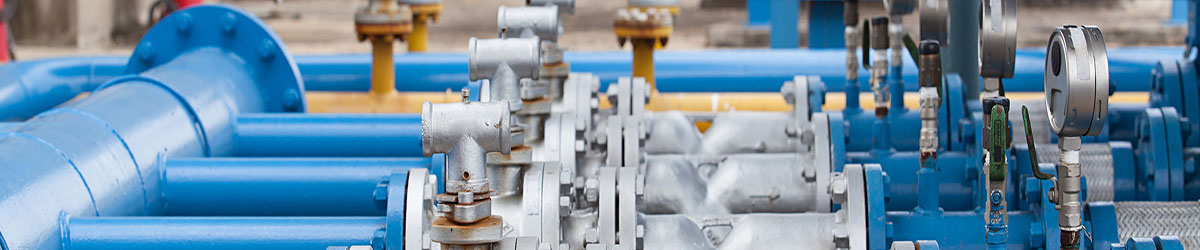
When we talk about DN70 steel pipe, the first thing we need to understand is that “DN” stands for nominal diameter, a term used in plumbing engineering to describe the inside diameter of a pipe. “70″ refers to the specific numerical value of this dimension, typically expressed in millimeters (mm). Therefore, a DN70 steel pipe is a pipe with an inside diameter of 70 mm.
First, Characteristics of DN70 Steel Pipe
1. Material: DN70 steel pipe is typically made of high-quality carbon steel or alloy steel, offering excellent mechanical properties and chemical stability.
2. Dimensions: In addition to a standard inside diameter of 70 mm, the length and wall thickness of the pipe can also be customized.
3. Connection Methods: The pipe ends can be connected to other pipes or equipment using various methods, such as welding and threading.
4. Surface Treatment: The steel pipe surface can be treated with hot-dip galvanizing or plastic spraying to enhance corrosion resistance and service life.
Second, Application Areas of DN70 Steel Pipe
1. Construction Industry: DN70 steel pipe is widely used in the water supply, drainage, and fire protection systems of high-rise buildings due to its strong pressure-bearing capacity and reliable connections.
2. Petrochemical Industry: DN70 steel pipe is used as a pipeline in the transportation of oil and natural gas, capable of withstanding harsh environments such as high pressure and high temperature.
3. Municipal Engineering: DN70 steel pipe has become an indispensable material in urban water supply, drainage, and heating systems due to its excellent sealing properties and weather resistance.
4. Agricultural Irrigation: In modern agriculture, DN70 steel pipe can be used in farmland irrigation systems, improving irrigation efficiency and water resource utilization.
Third, How to Choose DN70 Steel Pipe
1. Confirm Your Needs: Before purchasing, first clarify the required specifications, length, quantity, and intended use of the steel pipe.
2. Select a Brand: Choose a well-known and reputable brand to ensure product quality and after-sales service.
3. Appearance Inspection: Qualified DN70 steel pipes should have a smooth surface, free of defects such as cracks and bubbles. Also, pay attention to the treatment of the pipe ends to ensure smooth connections.
4. Material Verification: Check the product certificate or ask the salesperson to understand the material composition and mechanical properties of the steel pipe to ensure it meets the required specifications.
5. Price Comparison: While ensuring quality, you can compare prices from different suppliers, but be careful not to overlook product quality and safety in pursuit of lower prices.
6. Consider Transportation and Installation: Consider the transportation and installation of steel pipes when purchasing. Choose an experienced logistics company and a professional installation team to ensure the pipes are not damaged during transportation and achieve optimal results during installation.
In summary, DN70 steel pipe, as a commonly used piping material, plays an important role in multiple applications. Understanding its characteristics, applications, and purchasing tips is crucial to ensuring project quality and safety.
Post time: Sep-29-2025