
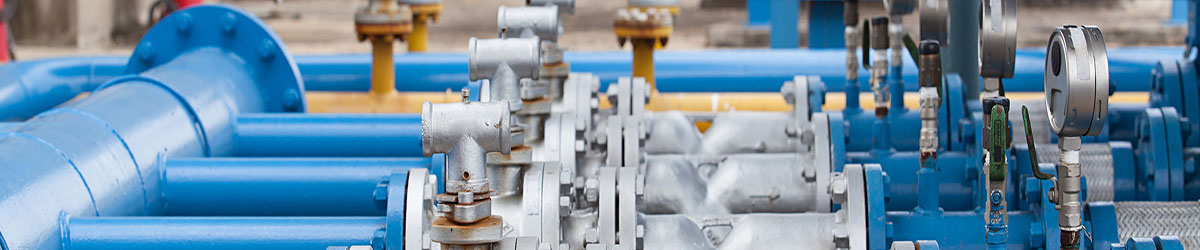
X56 seamless steel pipe, a high-strength, corrosion-resistant steel pipe product, is widely used in oil and natural gas transportation, building structures, and machinery manufacturing. Its excellent performance and reliable quality make it an indispensable material in the industrial field.
X56 seamless steel pipe belongs to the pipeline steel pipe category of API 5L standard, with a minimum yield strength of 56,000 psi (approximately 386 MPa). This steel pipe is made of high-quality carbon steel or low-alloy steel, produced through hot rolling or cold drawing processes. Compared with ordinary steel pipes, X56 seamless steel pipe has higher strength and better toughness, capable of withstanding higher pressure and harsher environmental conditions. Its chemical composition typically includes elements such as carbon, manganese, silicon, phosphorus, and sulfur. By precisely controlling the content ratio of these elements, the steel pipe achieves ideal mechanical properties. In terms of physical properties, the tensile strength of X56 seamless steel pipe is typically between 490-760 MPa, and the elongation is not less than 18%, meeting the requirements of various harsh working conditions.
The manufacturing process is a key factor determining the quality of X56 seamless steel pipes. High-quality X56 seamless steel pipes are typically produced using advanced hot rolling technology. First, the steel billet is heated to a suitable temperature and then pierced through a piercing mill to form a hollow tube blank. Next, it undergoes multiple rolling passes on a continuous rolling mill, gradually reducing the wall thickness and elongating the tube blank to ultimately form a seamless steel pipe of the required specifications. The entire production process requires strict control of parameters such as temperature, deformation, and cooling rate to ensure the uniformity of the steel pipe’s microstructure and the stability of its performance. For applications with higher requirements, cold drawing can be used for further processing to improve the dimensional accuracy and surface quality of the steel pipe. Quality inspection is equally crucial, including various testing methods such as ultrasonic testing, eddy current testing, and hydrostatic testing to ensure that each steel pipe meets the required standards.
In terms of applications, X56 seamless steel pipes are widely used in various industries due to their excellent performance. In the oil and gas industry, it is used as a pipeline, capable of withstanding high pressure and corrosive media. In the construction sector, X56 seamless steel pipes are commonly used for structural support in high-rise buildings and bridge construction. In the machinery manufacturing sector, it is used to manufacture key components such as hydraulic cylinders and bearing sleeves. In the chemical equipment sector, the corrosion resistance of X56 seamless steel pipes makes them an ideal choice for equipment such as reactors and heat exchangers. Particularly noteworthy is its outstanding performance in special environments such as marine engineering and polar development, where it can withstand extreme conditions such as low temperatures and high salt spray.
From a market perspective, the demand for X56 seamless steel pipes shows a steady growth trend. With the continuous advancement of global energy infrastructure construction and the upgrading and renovation of aging pipeline networks in various countries, the market space for high-quality pipeline pipes is constantly expanding. As the world’s largest steel pipe producer, China has numerous enterprises with X56 seamless steel pipe production capabilities.
Several key points need to be considered when purchasing X56 seamless steel pipes. First, confirm whether the steel pipe’s production standards meet API 5L or relevant national standards. Second, check if the supplier’s quality certification documents are complete, including chemical composition analysis reports, mechanical performance test reports, and non-destructive testing reports. Third, select the appropriate steel grade and anti-corrosion treatment method based on the actual usage environment. Finally, consider transportation and storage conditions to avoid damage during transportation or surface corrosion due to long-term storage. For large-volume purchases, it is recommended to conduct on-site factory visits to understand the production equipment and quality control processes; if necessary, request a third-party testing agency to conduct random inspections.
Post time: Nov-14-2025