
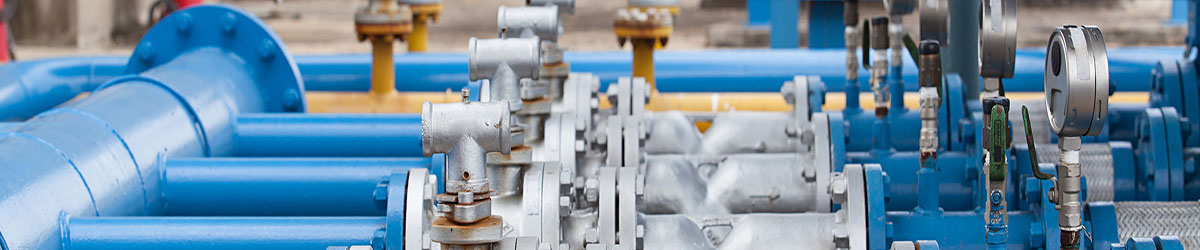
The special applications and requirements of stainless steel pressure pipes in the chemical industry are a complex topic integrating multiple fields such as materials science, chemical engineering, and safety production. As an industry highly dependent on pipeline transportation, the chemical industry has extremely stringent requirements for pipeline materials, especially when facing complex and variable media environments and high-pressure operating conditions. Stainless steel pressure pipes, with their excellent corrosion resistance, high strength, and good processing performance, have become an indispensable key material in the chemical industry.
Corrosion Resistance of Stainless Steel Pressure Pipes: Meeting the Challenges of Complex Media Environments
In chemical production, materials often contain acids, alkalis, organic solvents, or corrosive gases. These media pose severe challenges to pipeline materials. Stainless steel pressure pipes, especially high-molybdenum stainless steels such as 316L and 317L, as well as higher-grade alloy materials such as duplex steel and Hastelloy, are widely used in chemical pipeline systems to ensure the stability and safety of pipelines when in long-term contact with corrosive media. These materials have excellent corrosion resistance and can operate stably for a long time in harsh environments such as acids and alkalis, greatly reducing leakage and maintenance costs caused by corrosion, and ensuring the continuity and stability of production.
High-Pressure Bearing Capacity of Stainless Steel Pressure Pipes: The Cornerstone of Safe Production. Chemical production processes frequently involve high-pressure reactions and transportation, requiring stainless steel pressure pipes to possess excellent pressure-bearing capacity. Through rigorous pressure testing and wall thickness design, stainless steel pressure pipes can operate without leakage or deformation under rated pressure, meeting the requirements of international standards such as ASME B31.3. This high pressure-bearing capacity ensures the safety and reliability of chemical production processes, reducing safety accidents caused by pipeline ruptures or leaks, and providing a solid guarantee for the safe production of chemical enterprises.
Temperature Adaptability of Stainless Steel Pressure Pipes: Meeting the Challenges of Extreme Temperature Conditions. Chemical reactions involve large temperature fluctuations, ranging from low to high temperatures. Stainless steel pressure pipes require the selection of appropriate materials based on specific applications, such as high-temperature resistant 309S and 310S stainless steel, to cope with high-temperature and high-pressure conditions while maintaining the material’s mechanical properties. These high-temperature resistant materials can maintain structural stability and strength under high-temperature environments, without softening, deforming, or losing their original mechanical properties due to high temperatures, ensuring the safe operation of equipment under high-temperature conditions.
Pollution-Free Transmission of Stainless Steel Pressure Pipes: Meeting the Needs of High-Purity Media Transmission
In the transmission of pure media or food-grade chemicals, the internal structure of the pipeline must be clean and harmless. The smooth inner wall and good weldability of stainless steel pressure pipes help reduce dirt accumulation, facilitate cleaning and disinfection, and meet hygiene standards such as GMP and FDA. This pollution-free transmission characteristic has led to the widespread application of stainless steel pressure pipes in the pharmaceutical, food, and cosmetic industries for transmitting high-purity media. By using stainless steel pressure pipes, companies can ensure product quality and safety, preventing the dissolution and precipitation of metal ions and other harmful substances, thus meeting the hygiene and safety requirements of the chemical industry.
Customized Design of Stainless Steel Pressure Pipes: Adapting to Complex and Varied Chemical Plants
Chemical plants are complex and diverse, requiring stainless steel pressure pipes to be customized according to specific processes, including irregularly shaped fittings, large-diameter pipes, and thin-walled pipes. This demands strong design and manufacturing capabilities from manufacturers to ensure the tightness and reliability of the piping system. Through customized design, stainless steel pressure pipes can perfectly adapt to various complex chemical plants, ensuring the smooth operation of the piping system. This customization capability not only improves the efficiency and flexibility of chemical production but also reduces the company’s operation and maintenance costs and safety risks.
Green Environmental Protection and Sustainable Development of Stainless Steel Pressure Pipes.
With increasingly stringent national environmental protection requirements, the application of stainless steel pressure pipes in the chemical industry has been further promoted. As a recyclable material, stainless steel pipes align with the concept of green environmental protection. By optimizing material formulations and processing techniques, the corrosion resistance and strength of stainless steel pipes can be further improved, reducing resource consumption and environmental pollution. Simultaneously, the long-term stability and reliability of stainless steel pressure pipes also reduce waste generated from pipe replacement and maintenance, contributing to the sustainable development of the chemical industry.
Technological Innovation and Diversified Applications of Stainless Steel Pressure Pipes
With continuous technological advancements, the production processes and technologies for stainless steel pressure pipes are constantly innovating. For example, by adopting advanced welding and surface treatment technologies, the corrosion resistance and service life of stainless steel pipes can be further improved. Furthermore, the application areas of stainless steel pressure pipes are constantly expanding, extending beyond traditional chemical production to environmental protection, pharmaceuticals, food, and other fields. In the environmental field, stainless steel pipes can be used in wastewater treatment and exhaust gas emission systems; in the pharmaceutical field, they can be used for piping connections in pharmaceutical equipment. This diversified application not only enhances the market competitiveness of stainless steel pressure pipes but also injects new vitality into the development of the chemical industry.
Conclusion. In summary, the unique applications and requirements of stainless steel pressure pipes in the chemical industry not only reflect the progress and innovation in materials science but also represent a comprehensive consideration of safe production, efficiency improvement, and cost control. Through rigorous quality control and focused engineering design, stainless steel pressure pipes can meet the stringent requirements of the chemical industry, promoting safe production and environmental protection. In the future, with continuous technological advancements and increasingly stringent environmental regulations, the application of stainless steel pressure pipes in the chemical industry will become more widespread and in-depth, making a greater contribution to the sustainable development of the chemical industry.
Post time: Nov-24-2025