
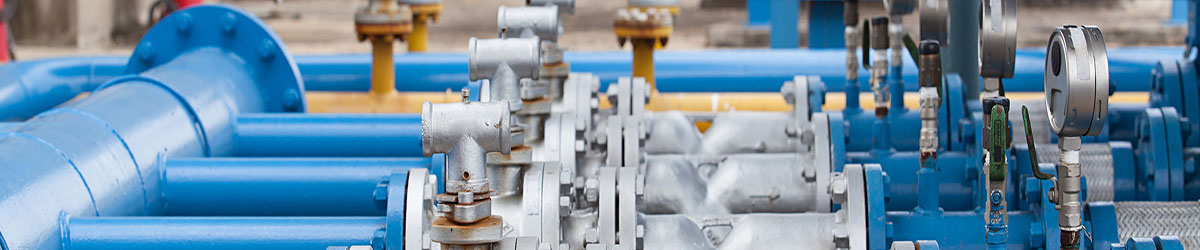
First, understanding industrial thick-walled steel pipes.
Thick-walled steel pipes are defined as steel pipes with an outer diameter to wall thickness ratio of less than 20. They are mainly used as oil and geological drilling pipes, cracking pipes for petrochemicals, boiler tubes, bearing tubes, and high-precision structural pipes for automobiles, tractors, and aviation. The biggest difference between thick-walled and thin-walled steel pipes is the thickness of their wall. Steel pipes with a wall diameter greater than 0.02 mm are generally considered thick-walled steel pipes. You might also like to know the precautions for using thick-walled steel pipes. Thick-walled steel pipes have a very wide range of applications. Due to their thicker walls, they can withstand greater pressure. They are generally used as materials for hollow parts, for pressure bearing, and for important pipelines. Specifically, they can be used as structural pipes for aviation, oil and geological drilling pipes, and pipes for petrochemicals, etc. Thick-walled steel pipes must also comply with relevant regulations during use. Therefore, different applications require different pipe specifications, providing an important prerequisite for their use, especially when transporting hazardous and flammable media. Finding the appropriate pipe specification is crucial to effectively preventing accidents. Thick-walled steel pipes have a wide range of applications, and depending on their different models and specifications, they can be widely used in various heavy industries. Therefore, the development of thick-walled steel pipes is promising. Thick-walled steel pipes are mainly used in water supply projects, the petrochemical industry, the chemical industry, the power industry, agricultural irrigation, and urban construction. For liquid transportation: water supply and drainage. For gas transportation: coal gas, steam, and liquefied petroleum gas. For structural use: piling pipes, bridge construction, docks, roads, building structures, etc.
In China, a wall thickness of 20 mm or more is generally sufficient for thick-walled steel pipes, with no special requirements. The following describes the manufacturing process of the steel pipe. The raw material for thick-walled steel pipes is steel billet. The billet is cut into approximately 1-meter lengths by a cutting machine and then conveyed to a furnace for heating. The billet is heated in the furnace to approximately 1200 degrees Celsius using hydrogen or acetylene as fuel. Temperature control within the furnace is crucial.
After exiting the furnace, the round billet undergoes piercing by a pressure piercing mill. A common type is the conical roller piercing mill, which offers high production efficiency, good product quality, large piercing and expansion capacity, and can pierce various steel grades. After piercing, the round billet is successively subjected to three-roll skew rolling, continuous rolling, or extrusion. Following extrusion, it needs to be sized. A sizing machine uses a high-speed rotating conical drill bit to pierce the billet, thus forming the steel pipe. Thick-walled steel pipes are divided into two types: hot-rolled steel pipes and hot-expanded steel pipes.
Second, precautions for using thick-walled steel pipes.
There’s some ambiguity regarding the definition of “thick-walled” steel pipe. This depends on the ratio of the pipe’s outer diameter to its wall thickness. For example, a 50mm diameter pipe with 10mm wall thickness would be considered thick-walled, but a 219mm diameter pipe with 10mm wall thickness would be considered thin-walled. Essentially, the definition of thick-walled steel pipe is largely a matter of customer preference. When purchasing thick-walled steel pipes, customers must clearly specify the material and length of each pipe, as this affects the number of machined parts and potential waste.
Furthermore, the detailed inner and outer diameters of the pipe must be included in the calculation to account for machining allowances for components. Thick-walled steel pipes, as a type of machined steel pipe, have many classifications. Customers must clarify whether they need hot-rolled seamless steel pipes, welded thick-walled steel pipes, cast steel thick-walled steel pipes, or hot-forged thick-walled steel pipes. Explain any substitutes and clearly state any non-substitutable ones.
Third, key points for determining the quality of thick-walled steel pipes.
1. Pay attention to the thickness of the pipe. The diameter should be greater than 0.02 mm, as only pipes with this thickness can withstand greater pressure and will not break even under heavy tension. Secondly, check the surface of the pipe. Inferior thick-walled steel pipes often have scabs or small cracks on their surface, and lack luster. Such pipes are not high-quality.
2. Measure the pipe diameter from different locations. A good steel pipe should have approximately the same diameter throughout; otherwise, it is of inferior quality. When choosing a pipe, select from reputable manufacturers, as they generally have strict packaging. Loose packaging often indicates substandard quality.
Post time: Dec-25-2025