
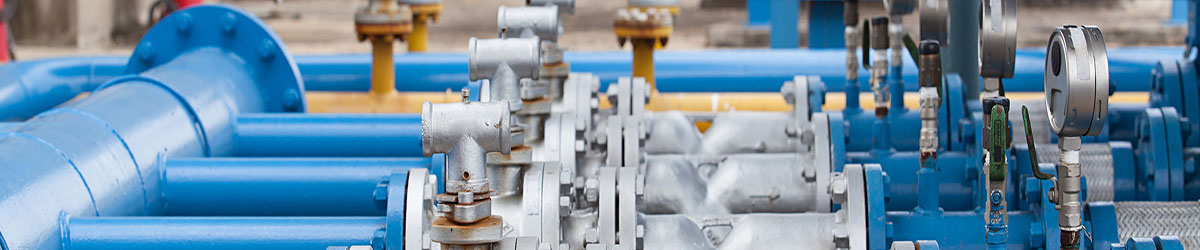
Strict temperature control is essential during the production of submerged arc welded steel pipes to ensure reliable welds. If the temperature is too low, the weld area may not reach the required temperature, making it difficult for the metal ends to interpenetrate and bond when most of the metal is still solid. Conversely, if the temperature is too high, much of the metal in the weld area is molten. These molten parts are soft and fluid, potentially carrying molten droplets. These droplets also lack sufficient metal for interpenetration. Furthermore, uneven welding can lead to weld voids. Therefore, integrated wastewater treatment equipment manufacturers emphasize the importance of strict temperature control during the production of submerged arc welded steel pipes. Reputable manufacturers possess advanced temperature control technology, ensuring product quality. Therefore, it is crucial to purchase submerged arc welded steel pipes from reputable manufacturers.
Submerged arc welded steel pipes can be used for liquid transportation (water supply and drainage) and gas transportation (coal gas, steam, and liquefied petroleum gas). For structural applications: used as piling pipes, bridge construction; pipes for docks, roads, and building structures, etc. Submerged arc welding (SAW) steel pipes are spiral seam steel pipes made from strip steel coils, formed by cold extrusion, and welded using an automatic double-wire double-sided SAW process. The strip steel ends are butt-welded using single-wire or double-wire SAW, and after being rolled into pipes, an automatic SAW is used for additional welding. External or internal controlled roller forming is used. Both internal and external welding utilize imported Lincoln welding machines for single-wire or double-wire SAW, thus achieving stable welding specifications.
What inspections are required after submerged arc welding (SAW) steel pipe production?
(1) Hydrostatic Testing: Each expanded steel pipe is inspected on a hydrostatic testing machine to ensure it meets the standard test pressure requirements. This machine has automatic recording and storage functions.
(2) Diameter Expansion: The entire length of the submerged arc welded steel pipe is expanded to improve the dimensional accuracy and the distribution of internal stress.
(3) X-ray Inspection II: X-ray industrial television inspection and end weld radiography are performed on the expanded and hydrostatically tested steel pipes.
(4) Pipe End Magnetic Particle Inspection: This inspection is performed to detect defects at the pipe ends.
(5) X X-ray Inspection I: Perform X-ray industrial television inspection on both internal and external welds, using an image processing system to ensure the sensitivity of the flaw detection;
(6) Inspect the internal and external welds of the spiral steel pipe and the base material on both sides of the weld;
(7) Acoustic Inspection II: Perform acoustic inspection on each pipe again to check for potential defects in straight seam welded steel pipes after diameter expansion and water pressure testing;
(8) Beveling: Process the pipe ends of the qualified steel pipes to achieve the required pipe end bevel dimensions;
(9) Corrosion Protection and Coating: Qualified steel pipes are subjected to corrosion protection and coating according to user requirements.
All prefabricated submerged arc welded steel pipe fittings and assemblies in the processing plant must be completed, i.e., all welds must be completed, flange interfaces must be installed with long-term gaskets, and all flange bolts must be inserted and tightened. The dimensional deviations of submerged arc welded steel pipe assemblies must not exceed the design values as follows: For 3m assemblies, the deviation is ±5mm; for every 1m increase in dimensional deviation, the deviation can increase by ±2mm, but the total deviation cannot exceed ±15mm.
Manually welded assemblies with flanges or valves must undergo testing. All assemblies should be labeled according to the short pipe specifications on the drawings, and their outlet ends should be sealed with blind flanges or plugs. Outlet flanges on the pipe ends of assemblies can be welded securely if the flange bolt holes are evenly distributed. If the flange is connected to equipment or to branch flanges of other assemblies, it can only be welded for positioning at the pipe end; it can only be welded securely after being positioned at the installation site. Valves should also be installed on the assemblies, and short pipes for sewage and vent pipes, instrument installation, and elevation markings for sliding supports should be welded in place. The interior of prefabricated pipe sections should be thoroughly cleaned. Submerged arc steel pipe assemblies should be designed for ease of transportation and installation, and should have adjustable openings while also possessing sufficient rigidity to prevent long-term deformation.
Post time: Dec-24-2025