
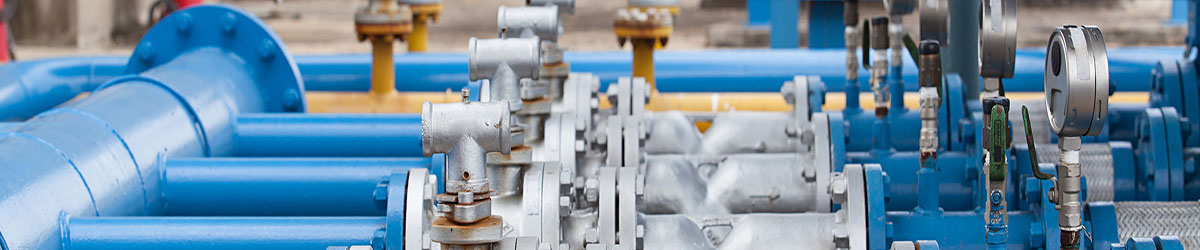
First, what is a plastic-coated straight seam steel pipe?
Simply put, plastic-coated straight seam steel pipe is made by coating a layer of plastic onto the inner and outer surfaces of a straight seam steel pipe using a special process. Straight seam steel pipes are probably familiar to most people; their weld seams are parallel to the pipe’s axis, giving them high strength and stability. This plastic coating acts like a sturdy and corrosion-resistant “protective suit” for the steel pipe. This coating isn’t just applied randomly; it has strong adhesion to the steel pipe substrate, bonding tightly together and working effectively.
Second, the performance of plastic-coated straight seam steel pipe:
(I) Superior Corrosion Resistance:
Ordinary steel pipes are easily corroded and riddled with holes when exposed to corrosive media such as acids, alkalis, and salts. However, plastic-coated straight seam steel pipes are different. Their plastic coating acts like an impenetrable defense, completely isolating the steel pipe from external corrosive media. Neither strong acids and alkalis in industrial wastewater nor salt in the humid air of coastal areas can easily breach this defense. This makes plastic-coated straight seam steel pipes highly popular in industries such as chemical engineering and wastewater treatment, significantly extending pipeline lifespan and reducing maintenance costs.
(II) Strong Wear Resistance:
In scenarios involving the transport of media containing solid particles, such as transporting slurry in mines, the inner wall of the pipe is constantly eroded by particles, easily leading to wear. The surface coating of plastic-coated straight seam steel pipes has high hardness, effectively resisting wear. Even under long-term, high-intensity particle erosion, it maintains good condition and is not easily worn or perforated, providing strong assurance for continuous production.
(III) Excellent Temperature Resistance:
Different engineering environments have varying temperature requirements for pipelines. Depending on the plastic coating material used, plastic-coated straight seam steel pipes can adapt to different temperature ranges. For example, epoxy resin coatings can operate normally in environments ranging from -40℃ to approximately 100℃, while polyethylene coatings maintain stable performance in environments ranging from -60℃ to approximately 80℃. Whether in the cold north or the hot south, or in industrial settings requiring the transport of high-temperature media, it can handle any situation with ease, its performance unaffected by temperature.
(IV) Excellent Hygiene Performance:
In fields involving the transport of drinking water, food, and beverages, the hygiene requirements for pipelines are extremely high. If the plastic-coated straight seam steel pipe uses a food-grade plastic coating, it fully meets hygiene standards. It is non-toxic and odorless, and will not cause any pollution to the transported media, allowing us to use these resources with peace of mind. Therefore, plastic-coated straight seam steel pipes have become the preferred choice in industries such as urban water supply and food processing.
(V) Low Fluid Resistance and High Transport Efficiency:
Imagine water flowing through a rough pipe wall, like walking on a rugged mountain road—the speed is certainly slow. However, the inner surface of the plastic-coated straight seam steel pipe is very smooth after the plastic coating treatment, with extremely low roughness. This is like paving a smooth highway for the fluid, allowing it to flow smoothly and greatly reducing energy loss during transport. In water supply and drainage engineering, the use of plastic-coated straight seam steel pipes can improve the efficiency of water supply and drainage and save energy.
Third, plastic-coated straight seam steel pipes have a wide range of applications:
(I) Water Supply and Drainage Engineering: In urban water supply systems, plastic-coated straight seam steel pipes ensure that the water quality remains clean and is not polluted due to pipeline issues. Furthermore, its corrosion resistance and long service life reduce the frequency of pipeline maintenance and replacement, ensuring the stability of urban water supply. In drainage systems, it can easily handle various corrosive substances in sewage, ensuring unobstructed drainage and protecting the city’s “underground lifeline.”
(II) Petrochemical Industry: In petrochemical production processes, the transportation of various highly corrosive chemical media is involved. Plastic-coated straight seam steel pipes, with their excellent corrosion resistance, have become the best choice for transporting oil, natural gas, and chemical raw materials. They can safely and stably transport various media in complex and dangerous chemical environments, making significant contributions to the normal operation of the petrochemical industry.
(III) Fire Protection System: In the event of a fire, firefighting water must be able to be delivered to the fire scene quickly and stably. Plastic-coated straight seam steel pipes not only possess excellent corrosion resistance but also high mechanical strength. They can withstand the high pressure of firefighting water, quickly delivering water to where it’s needed, buying precious time for firefighting efforts, and becoming a crucial line of defense for protecting people’s lives and property.
(IV) Building Engineering: Inside buildings, plastic-coated straight seam steel pipes can serve as water supply and drainage pipes, meeting residents’ daily water needs; they can also be used in air conditioning systems to transport circulating water; and they can act as heating pipes, providing warmth in winter. They meet the transportation needs of different fluids within buildings and are an indispensable part of building engineering.
(V) Other Fields: Besides the above fields, plastic-coated straight seam steel pipes also have wide applications in mining, power, and agricultural irrigation. In mines, they are used to transport slurry; in the power industry, they are used to transport cooling water; and in agricultural irrigation, they are used to transport irrigation water. Like a quietly dedicated “hidden master,” they play an important role in various fields.
Fourth. Production Process of Plastic-Coated Straight Seam Steel Pipes
(I) Steel Pipe Pretreatment:
Before plastic coating, straight seam steel pipes require strict pretreatment. First, the steel pipe surface must be thoroughly cleaned of rust, oil, dust, and other impurities through shot blasting, sandblasting, or other methods. This is similar to washing your face before applying makeup; only in this way can the subsequent coating adhere better. After this treatment, the steel pipe surface will achieve a certain roughness, laying a solid foundation for a strong bond between the coating and the steel pipe.
(II) Plastic Coating:
There are various plastic coating processes, the most common being hot-dip plastic coating and electrostatic spraying. Hot-dip plastic coating is like giving the steel pipe a “plastic bath,” immersing it in heated plastic powder or molten liquid, allowing the plastic to be evenly coated onto the steel pipe surface. Electrostatic spraying, on the other hand, utilizes the principle of electrostatics, causing the plastic powder to adhere tightly to the steel pipe surface as if by magic, and then curing it through heating to form a strong coating.
(III) Curing Treatment:
The plastic-coated steel pipe also needs to undergo a curing treatment. This step is like “forging” the coating, making it harder and denser. By controlling the temperature and time appropriately, the plastic coating is fully dried and cured, thereby improving its performance and quality, allowing it to better protect the steel pipe.
(IV) Quality Inspection:
The plastic-coated straight seam steel pipes produced cannot be shipped casually; they must undergo rigorous quality inspection. A careful visual inspection is required to check for uniformity of the coating, absence of bubbles, cracks, and other defects. The thickness of the plastic coating layer must be measured to ensure it meets standards. Adhesion tests are conducted to verify the bonding strength between the coating and the steel pipe. Corrosion resistance tests are performed to simulate actual usage environments and observe their performance in various corrosive media. A pressure test is also conducted to assess the pipe’s performance under pressure. Only after passing these rigorous tests can the product be released to the market.
Fifth, What You Need to Know When Choosing Plastic-Coated Straight Seam Steel Pipes
(I) Clarify Your Needs:
Different projects have different performance requirements for plastic-coated straight seam steel pipes. For example, if you are using it to transport drinking water, you should focus on hygiene performance and choose products with food-grade coatings. If it is used in the chemical industry, corrosion resistance is the primary consideration. Therefore, before choosing, you must clearly define your needs and select the appropriate product based on the actual situation. (II) Manufacturer Inspection:
There are numerous manufacturers of plastic-coated straight seam steel pipes on the market, and the product quality varies greatly. When choosing a manufacturer, thorough research is essential. Understand the manufacturer’s production processes, quality control system, and reputation. Check the manufacturer’s relevant qualification certificates and visit the production workshop to observe actual production. Choosing a reputable and capable manufacturer ensures product quality and after-sales service.
(III) Reasonable Price:
Price is a factor everyone considers when choosing products. However, when selecting plastic-coated straight seam steel pipes, don’t just focus on the price and ignore quality. Consider the product’s performance, quality, and price comprehensively to choose a product with a high cost-performance ratio. After all, while a high-quality product may be more expensive, it is more cost-effective in the long run due to lower usage and maintenance costs.
Post time: Feb-09-2026