
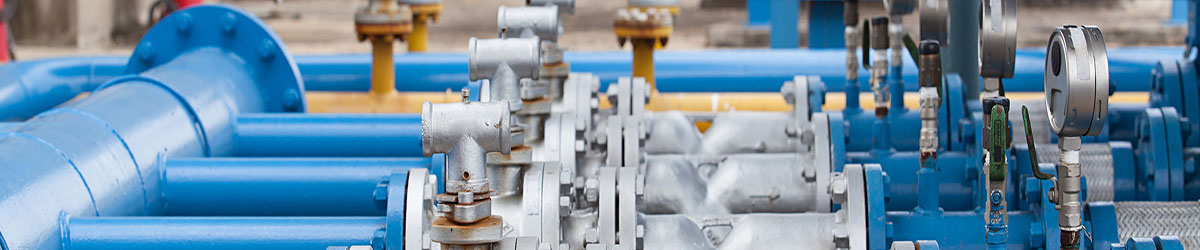
Stainless steel pipes play a vital role in the new energy sector, especially in energy storage technology. With the growing global demand for renewable energy, energy storage technology has become a key component of the energy transition. Stainless steel pipes, with their unique physical and chemical properties, play an indispensable role in this process.
Stainless steel pipes have excellent corrosion resistance. In energy storage systems, particularly those involving liquid media (such as electrolytes or coolants), such as battery energy storage systems and water energy storage systems, stainless steel pipes are resistant to corrosion from various chemicals, electrolyte solutions, and environmental factors. This not only ensures the long-term stable operation of the energy storage system, but also reduces maintenance costs and potential safety hazards. For example, in the thermal management system of lithium-ion batteries, stainless steel pipes are often used to transport coolant. Their excellent corrosion resistance effectively prevents the coolant from corroding the pipe material, thereby ensuring efficient heat dissipation and safety of the battery system.
Stainless steel pipes offer excellent strength and durability. Energy storage systems often face complex operating environments and high-pressure requirements. Stainless steel pipes can withstand high internal pressures and external loads, and are not susceptible to problems such as cracking and deformation. This has led to the widespread use of stainless steel pipes in high-pressure energy storage systems, such as compressed air and hydrogen energy storage. In these systems, stainless steel pipes serve as critical load-bearing components, ensuring the safe storage and transportation of gases or liquids, providing reliable physical support for the entire energy storage process. For example, in the design of compressed air energy storage caverns, stainless steel pipes can be used to connect the underground caverns to the surface compressor stations. Their high strength prevents leakage and pipe damage during the transmission of high-pressure air, thereby maintaining the system’s efficient energy conversion efficiency.
Stainless steel pipes offer excellent sealing properties. Preventing leakage is crucial for many energy storage applications. Stainless steel pipes, through precise manufacturing processes and high-quality sealing materials, achieve a high degree of sealing. Whether in liquid or gas energy storage systems, effective sealing helps reduce energy loss, improve energy storage efficiency, and prevent environmental pollution and safety accidents. For example, in flow batteries, stainless steel pipes are used to construct the bipolar plate channels. Their excellent sealing properties prevent electrolyte leakage during circulation, maintaining the reaction conditions within the battery, and thus ensuring continuous, stable operation and a long battery life. Stainless steel pipes also have certain thermal conductivity properties. In energy storage systems, heat management is a critical component, directly impacting system safety and efficiency. Stainless steel pipes effectively conduct heat, helping energy storage devices quickly dissipate heat or heat up during operation, thereby maintaining a stable temperature within the system. This characteristic is crucial for preventing performance degradation or safety incidents caused by overheating. For example, in lithium-ion battery packs, using stainless steel pipes with excellent thermal conductivity as a heat exchange medium can promptly dissipate generated heat, ensuring that the batteries operate within the optimal temperature range, extending their lifespan and improving overall performance.
Post time: Oct-28-2025