
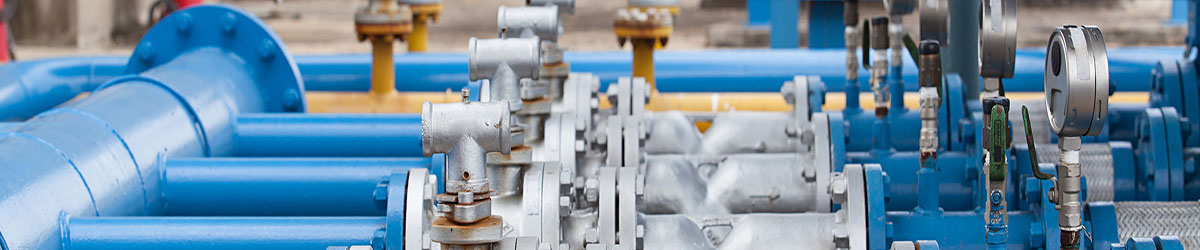
X65M straight seam steel pipe is a high-strength pipeline steel pipe widely used in long-distance pipeline projects for oil and natural gas, possessing excellent mechanical properties, weldability, and corrosion resistance. With the continuous growth of global energy demand, X65M straight seam steel pipe has broad application prospects in domestic and international markets, becoming one of the important materials in the pipeline construction field.
First, the basic characteristics of X65M straight seam steel pipe.
X65M straight seam steel pipe is a high-strength pipeline steel produced according to API 5L standards, with a minimum yield strength of 450MPa (65ksi). It belongs to the steel produced by micro-alloyed controlled rolling and cooling (TMCP) process. Its chemical composition features a low carbon content (typically ≤0.12%) and extremely low contents of harmful elements such as sulfur and phosphorus (≤0.005% and ≤0.020%, respectively), thus significantly improving the steel pipe’s resistance to hydrogen-induced cracking (HIC) and sulfide stress corrosion cracking (SSCC).
Second, the production process and key technologies of X65M straight seam steel pipes.
Modern X65M straight seam steel pipes are mainly produced using JCOE or UOE forming processes. Taking a large steel pipe manufacturing enterprise as an example, its production line is equipped with pre-welding machines and multi-wire submerged arc welding equipment, capable of producing a series of products with diameters of 406-1422mm and wall thicknesses of 6-40mm. Key production processes include:
- Plate edge processing: A milling machine is used to precisely process the edges of the steel plate, ensuring a bevel angle of 30°±2° and a blunt edge height of 1.5±0.5mm, creating ideal conditions for subsequent welding.
- Pre-bending: A seven-roll pre-bending machine is used to pre-bend the edges of the steel plate, eliminating the “straight edge effect” during subsequent JCO forming. Actual test data from a factory shows that the optimized pre-bending radius can reduce residual stress by more than 40%.
- Multi-step stamping: A computer-controlled hydraulic press is used for progressive JCO forming, typically requiring 7-9 passes to complete the entire forming process. The newly introduced 6000-ton hydraulic press achieves a positioning accuracy of ±0.1mm, increasing forming efficiency by 30%.
- Diameter Expansion: Applying mechanical or hydraulic diameter expansion technology, actual measurements in a project show that after a 12% diameter expansion rate, the roundness error of the steel pipe can be controlled within 0.6%D, significantly improving pipe assembly accuracy.
Third, Quality Control and Inspection Technology for X65M Straight Seam Steel Pipes.
To ensure the reliability of X65M straight seam steel pipes, a strict quality control system is implemented during the manufacturing process:
1. Raw Material Inspection: Composition analysis is performed using an Optical Spectrometer (OES), and inclusion rating is conducted using a Zeiss metallographic microscope. A batch inspection report shows that the actual sulfur content is controlled between 0.0012% and 0.0028%, far below the standard requirements.
2. Online Monitoring System: An ultrasonic thickness gauge from a thermal power company is installed to monitor wall thickness deviation in real time, with a system sensitivity of 0.05mm. Statistics show that the wall thickness qualification rate increased to 99.97% after applying this system.
3. Non-destructive Testing: A combination of ultrasonic testing (UT) and eddy current testing (ET) is used. The newly introduced phased array ultrasonic testing system (PAUT) can identify defects with an equivalent diameter of 0.3 mm, with a testing speed of 2.5 m/min.
Fourth, Typical Engineering Applications of X65M Straight Seam Steel Pipes.
In natural gas pipeline projects, X65M straight seam steel pipes have set multiple application records. The project used 1422 mm diameter, 21.4 mm wall thickness steel pipes, with a single pipe weight of 7.8 tons and a design pressure of 12 MPa. Of particular note is: Low-Temperature Adaptability: At an ambient temperature of -40℃, the Charpy impact energy of the steel pipe remains at 186-243 J, fully meeting the requirements for use in extremely cold regions. Third-party testing reports show that the DWTT shear area ratio reaches 98% at -45℃.
Fifth, the current market situation and development trend of X65M straight seam welded steel pipes.
According to statistics from the China Iron and Steel Association, my country’s output of X65M straight seam welded steel pipes exceeded 5.8 million tons in 2024, with exports accounting for 35%, mainly sold to the Middle East, Central Asia, and Africa. The industry currently exhibits the following development characteristics:
1. Larger specifications: The annual growth rate of demand for large-diameter steel pipes (1422mm and above) reached 12%, and a Middle Eastern project has begun assessing the feasibility of 1620mm diameter pipes.
2. Higher strength: The proportion of X70M and above steel grade products has increased to 28%, but X65M still occupies a mainstream position (approximately 65% market share) due to its excellent cost-effectiveness.
3. Intelligent manufacturing: Leading companies have deployed 5G+industrial internet platforms. A demonstration factory has reduced the defect rate by 40% and energy consumption by 15% through digital twin technology.
Sixth. Recommendations for the Use and Maintenance of X65M Straight Seam Steel Pipes
To ensure the long-term safe operation of X65M straight seam steel pipes, users are advised to pay attention to the following points:
1. Storage Management: The number of layers of steel pipes stacked should not exceed 5, and the spacing between supports should not exceed 1/3 of the pipe length. Experience from a certain project shows that using rubber pads can reduce pipe end deformation by 60%.
2. Welding Preheating: When the ambient temperature is below 5℃, preheating to 80-120℃ is required. Practical data shows that proper preheating can reduce the cold cracking rate from 3.2% to 0.5%.
3. Cathodic Protection: It is recommended to maintain the protection potential between -0.85 and 1.15V (CSE). A monitoring system for a submarine pipeline showed that the optimized protection scheme reduced the corrosion rate to 0.02 mm/a.
4. Regular Inspection: Internal Inspection (ILI) is recommended every 5 years. The newly introduced Electromagnetic Ultrasonic Testing (EMAT) technology can simultaneously assess pipe defects and coating condition, with an accuracy of ±0.3mm.
In summary, X65M straight seam steel pipe, as a core material in modern pipeline engineering, continues to see its technological level and application scale improve. With breakthroughs in new materials and processes, this type of steel pipe will demonstrate excellent performance under more demanding environmental conditions and more complex service conditions, providing a solid guarantee for global energy infrastructure construction.
Post time: Jan-06-2026